Table Of Content
- What is the design-build process?
- The KPIs that Subcontractors Need to Look at in 2024 and Beyond
- Promote Effective Collaboration and Productivity with Thoughtful Workspace Design
- Mitigating Subcontractor Risk: Pro Tips for General Contractors
- Example of a Design-Build Project
- Design-Build Construction Defined: The Team, Process, & Examples

For risk-averse owners and developers, or those seeking a more collaborative approach, progressive design-build may provide the right fit. Progressive design-build, by contrast, uses a single contract in two phases (or, in some cases, two separate consecutive contracts). During design, they will negotiate the cost for the construction phase and enter into a second agreement (or an extension of the original contract) for the construction phase. The major benefits of Design-Build construction include streamlined communication between the contractor, subcontractors and owner, faster project completion, increased collaboration, and cost savings. As a result, DB may be appropriate for large and complex projects that require the best and quickest turnaround. Design-build is a growing trend in the construction industry as more clients recognize the benefits of this approach.
What is the design-build process?
The angled facade creates pressure differences that drive air circulation throughout the building. Beyond minimizing technical space and energy use for ventilation, naturally ventilated offices require less remodeling and maintenance for future adaptations. This aspect can significantly reduce the time it takes to deliver a finished product, especially for large, extended-time projects. Check out our collection of white papers and guides, which are designed to help you and your team understand the power of design and its impact on business success.
The KPIs that Subcontractors Need to Look at in 2024 and Beyond
Once you choose a theme, you can begin site “mapping,” a process that we’ve detailed in the next step. If you’re a service-based business, for example, you’ll want to use visuals to keep your visitor on the site and have plenty of “contact” blocks to try to capture their information. On the other hand, websites that sell products would do well to use a theme that cleanly presents images and descriptions of those products—complete with links or buttons potential customers can use to buy them. The interior design prioritizes materials that complement the exposed concrete and high ceilings. Apartments feature thin oak parquet flooring laid on top of the concrete base, while large windows maximize natural light and provide stunning views of the surrounding area, including the Oslo fjord.
Dream, Design, Build: Home Expo 2024 - FFXnow
Dream, Design, Build: Home Expo 2024.
Posted: Tue, 16 Apr 2024 17:55:56 GMT [source]
Promote Effective Collaboration and Productivity with Thoughtful Workspace Design
Design-Build Excellence in Self-Storage: ARCO Design/Build's Strategic Growth - PR Newswire
Design-Build Excellence in Self-Storage: ARCO Design/Build's Strategic Growth.
Posted: Tue, 06 Feb 2024 08:00:00 GMT [source]
Design-build provides flexible, competitive bidding through a variety of approaches to procurement and contracting including; qualifications-based selection, best-value selection, progressive design-build and more. Owners are abandoning traditional delivery methods because of the lack of innovation and collaboration. Procore is committed to advancing the construction industry by improving the lives of people working in construction, driving technology innovation, and building a global community of groundbreakers. Our connected global construction platform unites all stakeholders on a project with unlimited access to support and a business model designed for the construction industry. A design-build firm coming in for a single project contract can handle all budgeting, contracting, and design aspects.
How do design-build firms charge?
Owners select the design-build team (DB team) based primarily on their qualifications, rather than price, in the Progressive design-build (PDB) method. This is because the price for construction services is negotiated after the team has made significant progress on the design. As an offshoot of design-build, PDB shares several key elements with its parent delivery method. However, the two-stage structure of the contract creates a unique relationship that brings unique features to the table. Industrial construction refers to constructing buildings, facilities, and infrastructure for industries such as manufacturing, energy, and transportation. It typically involves large-scale construction projects and requires specialized knowledge and skills.
What types of contract can be used for the design build procurement route?
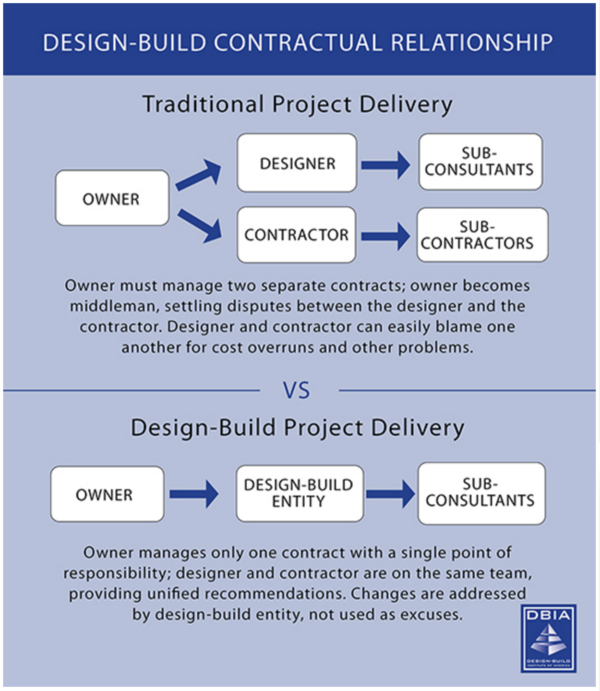
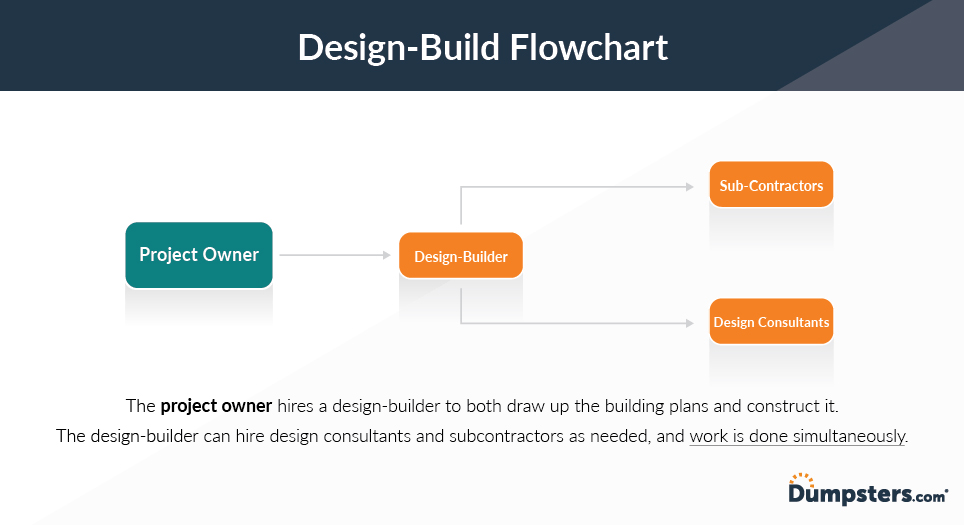
Design-build is a construction approach in which a single entity, the design-build firm, handles the project management, design, and construction. That means the client only needs to work with one contractor for the entire process instead of hiring separate architects, engineers, and contractors. Choose a design-build firm with experience and a track record of successful projects.
If it doesn't, there can be significant stress on the contractor to work with an unsuitable design or determine who is responsible for covering the cost of changes. When construction is complete, the contractor reviews the final project with the owner and passes the finished product to the owner. Cost savings are only possible for design-builders when the team has managed an accurate bid, which can be very difficult without the benefit of a complete design. The design-build contract isn't ideal for every situation — or all stakeholders. Identifying the downfalls of this method is important to help implement proper planning.
The budget for construction is negotiated during the design phase, typically when the designs are nearly complete. If the two parties can't agree on a price, the owner can terminate the relationship and explore other contracting options. For architects interested in working on projects with a big social impact but a limited budget, Design-Build could be a great way to make it work.
Some design–build firms employ professionals from both the design and construction sector. Where the design–builder is a general contractor, the designers are typically retained directly by the contractor. Partnership or a joint venture between a design firm and a construction firm may be created on a long-term basis or for one project only.
By promoting the value of design-build project delivery and teaching the effective integration of design and construction services, we ensure success for members across disciplines. This project is a single-source collaboration so that it can be completed in stages with the designer and contractor working hand in hand. Some design-build firms are now even providing services like acquiring licenses, permits, approvals, and inspections for the construction. Design-build contracts work by providing an owner with just one contract to design and build a project.
Some of the biggest benefits of Design-Build are rapid delivery, a smooth process, better solutions and better communication. Once your new or renovated facility is complete, your Design-Builder should provide a post-construction handoff. That includes walk-throughs, instructional videos, hands-on training and core documentation for owners, facility managers and facility management teams.



No comments:
Post a Comment